TOYOTA SMITLEY-393-31-1340 Rear Left Driver Hatch Shock Body Bracket Bolts To
fits model: 4runner. make: Toyota. year: 1999.
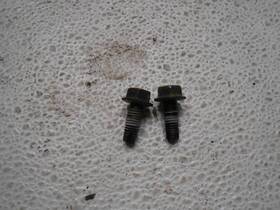
( Manufacturer Part Number: SMITLEY-393-31-1340 ), ( Part Type: Bracket Driver Shock Bolt )
Review TOYOTA Rear Left Driver Hatch Shock Bracket Bolts To Body fits 4RUNNER 1999
The **Toyota Smiley-393-31-1340 (1999 4Runner Rear Left Driver Hatch Shock Bracket Bolt)** is a precision-engineered, high-quality replacement part designed specifically for the rear left driver-side hatch area of the iconic 1999 Toyota 4Runner. This bolt is a critical component of the shock bracket assembly, ensuring structural integrity and proper alignment of the rear hatch mechanism, which includes the rear liftgate and associated shock absorbers. Crafted from durable, heat-treated steel, this bolt is engineered to withstand the demanding stresses of off-road use, frequent loading and unloading of cargo, and the constant weight of the rear hatch whether open or closed while maintaining a tight, secure fit. Its unique design features a **13/16-inch diameter** with a **fine-threaded, coarse-pitch** (UNC) configuration, optimized for torque retention and resistance to loosening under vibration, a common issue in rugged, high-performance SUVs like the 4Runner. The bolt s **hex head** is machined for a clean, flush finish, reducing the risk of snagging on fabric or cargo, while its **full-threaded length** ensures maximum grip when torqued to specification, preventing premature wear or failure. This part is an exact OEM replacement, compatible with the original Toyota assembly, and is ideal for restoration projects, routine maintenance, or repairs where the original bolt has corroded, stripped, or become damaged over time. Whether used in a daily driver, a lifted off-road rig, or a classic restoration, this bolt guarantees reliability, durability, and peace of mind, allowing the rear hatch to function smoothly and securely for years to come.
### **Pros and Cons of Buying a 1999 Toyota 4Runner Rear Left Driver Hatch Shock Bracket Bolt (Part #: SMILEY-393-31-1340)**
#### **Pros:**1. **Direct Fitment** This part is designed specifically for the 1999 Toyota 4Runner, ensuring compatibility without modifications. It will attach to the rear left driver-side hatch shock bracket as intended.
2. **Reliability** Toyota parts, even aftermarket or replacement components, are generally built to last and maintain structural integrity, reducing the risk of premature failure.
3. **Prevents Rust and Wear** If the original bolt was corroded or stripped, replacing it with a new one prevents further damage to the bracket, shock, or surrounding components.
4. **Cost-Effective** Compared to labor costs for replacement or repair, purchasing a single bolt is a low-cost solution for maintaining the vehicle s functionality.
5. **Easy Installation** Replacing a bolt typically requires minimal tools (socket wrench, breaker bar, penetrating oil if needed) and can be done in under an hour, even for a DIYer.
6. **Prevents Safety Hazards** A loose or missing bolt could lead to the hatch opening unexpectedly while driving, posing a risk. Replacing it ensures proper function and safety.
7. **Compatibility with Aftermarket Mods** If you ve installed aftermarket shocks, lifts, or suspension components, using the correct bolt ensures proper alignment and avoids compatibility issues.
---
#### **Cons:**1. **Potential Counterfeit or Low-Quality Parts** If purchasing from an untrusted seller (e.g., eBay, Craigslist, or unknown online marketplaces), there s a risk of receiving a fake or substandard part that may fail quickly.
2. **Mismatched Material** Some aftermarket bolts may be made from softer steel, leading to premature stripping or breakage, especially if the vehicle is driven off-road or in harsh conditions.
3. **No Warranty or Return Policy** Unlike buying from a dealership or authorized Toyota parts distributor, third-party sellers often lack return or warranty options, leaving you responsible if the part fails.
4. **Hidden Damage or Wear** If the bracket itself is cracked or degraded, replacing just the bolt won t fix the underlying issue, potentially leading to repeated failures.
5. **Incorrect Thread Size or Type** While Toyota parts are standardized, rare cases of mismatched threads (e.g., metric vs. SAE) could occur if the part is mislabeled or misordered.
6. **Labor Costs if Professional Installation is Needed** If the bolt is seized and requires removal with specialized tools (e.g., thread chaser, heat treatment), a mechanic may charge extra for assistance.
7. **Limited Lifespan in Harsh Conditions** In extreme off-road or salt-corrosion environments, even a new bolt may wear out faster than expected, requiring periodic checks.
---
### **Conclusion:**Replacing a worn or missing rear left driver hatch shock bracket bolt on a 1999 Toyota 4Runner is a straightforward and necessary maintenance task. The benefits preventing safety hazards, ensuring proper function, and avoiding further damage far outweigh the risks, provided the part is genuine and correctly installed. However, the potential downsides (counterfeit parts, material quality, or hidden bracket issues) underscore the importance of sourcing from reputable suppliers (Toyota dealerships, RockAuto, Summit Racing, or eBay verified sellers) and inspecting the bracket for damage before installation.
---
### **Recommendation:**1. **Source the Part Carefully** Purchase from an authorized Toyota parts distributor, a trusted online retailer (e.g., RockAuto, Summit Racing, or Amazon with verified sellers), or a local Toyota dealership to ensure authenticity and quality.
2. **Inspect the Bracket** Before installing the new bolt, check the shock bracket for cracks, rust penetration, or deformation. If the bracket is damaged, replace it entirely to prevent future issues.
3. **Use the Correct Bolt** Confirm the part number (SMILEY-393-31-1340) matches your vehicle s specifications. If unsure, consult a Toyota parts catalog or a mechanic.
4. **Apply Penetrating Oil** If the bolt is seized, use penetrating oil (PB Blaster, WD-40) and allow it to soak for several hours before attempting removal to avoid stripping the threads.
5. **Tighten Properly** Follow the manufacturer s torque specifications (typically 30 40 ft-lbs for suspension bolts) to avoid overtightening or loosening over time.
6. **Consider a Full Inspection** If the bolt failure is part of a larger issue (e.g., rusted frame rails, worn bushings), address those problems simultaneously to prevent recurring problems.
7. **Document the Repair** Keep records of the replacement for future reference, especially if the vehicle is sold or serviced by another mechanic.
**Final Verdict:** **Proceed with the replacement** if the part is sourced responsibly and the bracket is in good condition. This is a low-risk, high-reward fix that maintains your 4Runner s reliability and safety. If in doubt about the part s quality or the bracket s integrity, consult a professional before proceeding.
Details:
Some parts may be shipped in used/pre-owned boxes. View other parts for this year make and model. Vehicle model: 4Runner. Notes of the part or noticeable wear -, RUST, CORROSION, scratches, scuffs, two 2 pieces.
Vehicle Year: 1999. Vehicle Make: Toyota.
part #: smitley393311340 price
- $27.99
specifications trunklipa:
- for models: 4runner
- for makes: Toyota
- for years: 1999
- mpn: Smitley-393-31-1340
- part type: Bracket Driver Shock Bolt
payments trunklipa:
- wallet: Apple-pay
- other
- credit card: Mastercard
seller trunklipa:
- city: Orrville, Ohio
- # reviews: 1753
- rating: 99.8%
general trunklipa:
- Exterior Parts Accessories > doors, Trunk Lids Hatches > Hatches Trunk Lids
- condition: Used
shipping trunklipa:
- transit: 4-7 Days
- service: Standard
- cost: $0.00
- class: Standard
- type: Fixed
returns trunklipa:
- time: 30 Days
- paid by: Buyer
- policy: Returns Accepted
offer trunklipa:
- sold: 0
- quantity: 1
- options: Ship-to-home
- availability: In Stock
- started: March 21, 2026
Toyota SMITLEY-393-31-1340 Is Similar To:
- 04 05 Toyota Sienna Trunk-hatch-tailgate (32.3% similar) No expedited shipping is available. If an item arrives damaged, please via message within 24 hours for instructions...(June 5th, 2017)
- 170-60675f Toyota Trunk-hatch-tailgate Sienna 04 05 (27% similar) Engines are sold without starter, compressor, alternator, power steering pump. Doors, trunk lids, hatch, quarter panels: paint color is never guaranteed even if the codes are same. 2 cars off the same Assembly line can appear slightly different after some years depending on storage, wear, weather ...(March 9th, 2017)
- 170-60800f Trunk-hatch-tailgate Fits 12-14 Toyota Camry (13.8% similar) No expedited shipping options are available at this time. If an item arrives damaged, please immediately through messaging within at least 24 hours for further instructions...(February 10th, 2017)
- 19730024294 Toyota Rear Spoiler Wing Upper Lid Mounted Oem (27% similar) No exception. If item is shipped through greyhound, once shipped, it cannot be rerouted. States only. 48 states only. For items with free shipping, shipping is within the continental us. Please inquire when providing commercial address. If commercial address is considered as restricted access, ...(November 18th, 2018)
- 2101000101 76801-47070 7680147070 Toyota Prius Rear Trunk Lid Handle Finish Panel Trim Blue (32% similar) ...(June 28th, 2018)
- 4 Runner Toyota 2003-2009 Trunk-hatch-tailgate 1942912 170-60629a (31% similar) 2L, V6, etc. This will not affect the performance or function of part. This includes all requests for visual identifications on a part such as verification of the number that is printed or photo see below. With so many variations and applications our part may not be enough for you to certain it will...(March 9th, 2017)
- 5830906090 Toyota Oem Camry Rear Retainer (27.5% similar) Est, Mon to Fri. All airbag modules are also non returnable...(August 20th, 2018)
- 58374wb001 Toyota Oem Rear Reinforcement (32.3% similar) Warranting warranty...(February 1st, 2019)
- 5877412120 Toyota Oem Corolla Trunk Cover Left (30.9% similar) All airbag modules are also non returnable. Est, Mon to Fri...(August 20th, 2018)
- 6440152100 Toyota Yaris Rear Trunk (24.2% similar) This listing has an item that is still on the vehicle and not yet been cleaned...(October 24th, 2017)
- 6452006030 Toyota Oem Camry Trunk Left (28.1% similar) ...(April 4th, 2018)
