FORD A-702352 Deck Rumble Lid Handle Locking
fits make: Ford. year: 1928–1931.
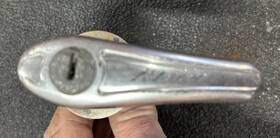
( Manufacturer Part Number: A-702352 ), ( Non-domestic Product: No ), ( Type: Trunk Lid ), ( Color: Silver ), ( Vintage Part: Yes ), ( Placement On Vehicle: Rear )
Review FORD Model Deck Rumble Lid Handle Locking fits 1928–1931
The **Ford A-702352 Deck Rumble Lid Handle Locking Assembly** for the 1928 through 1931 Model T Ford pickup trucks represents a rare and highly sought-after piece of automotive heritage, embodying the rugged simplicity and mechanical ingenuity of early 20th-century American engineering. Designed to secure the rumble seat lid a functional yet iconic feature of Ford s classic pickup beds this locking handle mechanism was crafted to withstand the demands of daily use while maintaining a clean, utilitarian aesthetic that aligns with the era s no-nonsense design philosophy. The assembly features a sturdy, die-cast zinc or brass construction, characteristic of Ford s early mass-production techniques, where durability was prioritized without sacrificing the tactile quality of handcrafted details. The handle itself is designed with a slightly curved, ergonomic grip, allowing drivers and passengers to easily engage the latch with a firm yet smooth motion, ensuring the rumble seat often used as a makeshift cargo space or additional seating remains securely fastened during transit. The locking mechanism incorporates a simple yet effective spring-loaded latch, which clicks into place with a satisfying tactile feedback, a hallmark of Ford s attention to functional design. This component is not merely a functional part but also a nostalgic nod to the utilitarian spirit of the Model T, a vehicle that revolutionized personal transportation by making automotive ownership accessible to the masses. For collectors, restorers, and enthusiasts of vintage automobiles, the A-702352 handle is a prized addition, bridging the gap between raw mechanical necessity and the timeless charm of early Ford engineering. Whether installed on a meticulously restored Model T pickup or a carefully preserved daily driver, this locking assembly serves as a tangible connection to an era when automobiles were built to endure, reflecting the resilience and adaptability that defined Ford s legacy.
### **Pros and Cons of Buying a Ford Model A Deck Rumble Seat (1928 1931) with Locking Handle**
#### **Pros**
1. **Classic American Design and Heritage**
The Ford Model A is one of the most iconic cars in automotive history, representing the early days of mass-produced automobiles. Owning one allows you to drive a piece of automotive nostalgia, with a simple, functional, and timeless design that appeals to enthusiasts.
2. **Mechanical Simplicity and Reliability**
The Model A is built around a robust, straightforward engine (typically the 200 cubic inch side-valve inline-four) and a basic mechanical drivetrain. With proper maintenance, these engines can last for decades, often exceeding 200,000 miles with regular upkeep. The lack of complex electronics makes troubleshooting easier for those comfortable with basic mechanical work.
3. **Affordability and Availability of Parts**
Due to its age and popularity, parts for the Model A are widely available, both new and used. Common components like spark plugs, distributors, carburetors, and even full engines can be sourced relatively cheaply. Restoration projects can be budget-friendly compared to more modern classics.
4. **Driving Experience**
The Model A offers a raw, unfiltered driving experience. The open cockpit (especially with the rumble seat) connects the driver to the road in a way that modern enclosed cars cannot. The manual transmission (if retained) provides a tactile, engaging shift feel, and the car s weight and simple suspension give it a distinctive, slightly bouncy ride.
5. **Community and Restoration Support**
There is a strong community of Model A enthusiasts, with clubs, forums (such as the *Ford Model A Club of America*), and restoration resources available. This makes it easier to find advice, mentorship, and even group restoration projects. Local meetups and shows provide opportunities to display and learn from others.
6. **Potential for Customization**
While the Model A is already a classic, it can be further customized to suit personal tastes. Options include:- **Body modifications** (e.g., converting to a roadster, coupe, or phaeton).
- **Engine upgrades** (e.g., swapping in a more powerful side-valve or even a modern engine for performance).
- **Interior changes** (e.g., adding modern safety features like seatbelts or roll bars, though this may detract from authenticity).
- **Paint and detailing** to match a specific era or aesthetic.
7. **Lower Running Costs (Compared to Modern Cars)**
Gasoline consumption is modest for its time, and basic maintenance (oil changes, spark plugs, etc.) is inexpensive. Insurance and registration costs are typically lower than for modern vehicles, especially if the car is kept in a show-ready or restored condition.
8. **Investment Potential**
Well-preserved or restored Model As can appreciate in value, particularly if they are rare variants (e.g., early 1928 models, rare colors, or factory accessories like the deck rumble seat). Some collectors treat them as long-term investments, though this depends on market trends.
---
#### **Cons**
1. **High Maintenance Requirements**
While the Model A is simple, it is not *maintenance-free*. The side-valve engine is prone to issues like valve stem wear, piston ring leakage, and camshaft wear over time. Regular disassembly and inspection are often necessary to keep the engine running smoothly. Rust is also a major concern, especially in older examples with poorly preserved bodies.
2. **Reliability Issues with Age**
Many Model As built in the late 1920s and early 1930s have been driven hard for nearly a century. Original engines, transmissions, and chassis may be worn out, requiring significant investment to restore them to reliable condition. Some cars may be "project cars" that need extensive work to become roadworthy.
3. **Limited Modern Safety Features**
The Model A lacks modern safety features such as seatbelts, airbags, anti-lock brakes, or structural crash protection. Driving one today requires a higher level of caution, especially on highways or in urban areas. Many owners modify the car with aftermarket safety upgrades (e.g., roll bars, modern brakes) to mitigate risks.
4. **Driving Limitations**
The Model A is not built for high-speed or highway driving. Its simple suspension, lack of modern braking systems, and limited visibility (especially in a rumble seat) make it uncomfortable and unsafe for modern road conditions. Many owners keep them as weekend or show cars rather than daily drivers.
5. **Weather and Comfort Limitations**
The open cockpit (especially with a rumble seat) means the driver and passengers are exposed to the elements. Rain, wind, and cold can make driving uncomfortable or even dangerous. While some owners add windshields or convertible tops, these can add complexity and cost.
6. **Fuel and Emissions Compliance**
While the Model A is not subject to modern emissions regulations, some states or countries may require modifications (e.g., catalytic converters, smog equipment) to register the car legally. Fuel quality can also be an issue; modern gasoline blends may not be ideal for the engine s carburetion system.
7. **Insurance Challenges**
Insuring a classic car like a Model A can be expensive, especially if it is not fully restored or lacks modern safety features. Some insurers may classify it as a "high-risk" vehicle due to its age and limited crash protection. Owners often need to find specialty insurers or clubs that offer coverage for classic cars.
8. **Time-Consuming Restoration**
Restoring a Model A to roadworthy condition can be a massive undertaking. This includes:- **Bodywork**: Rust repair, repainting, and sometimes fabricating missing panels.
- **Mechanical work**: Overhauling the engine, transmission, and chassis.
- **Electrical systems**: Rewiring or replacing old components (e.g., generators, lighting).
- **Interior**: Reupholstering seats, replacing worn parts, and adding modern conveniences if desired.
For those without mechanical experience, this can be a costly and time-intensive process.
9. **Depreciation Risk**
While some Model As appreciate in value, others depreciate quickly if they are not well-maintained or lack documentation (e.g., original papers, restoration records). A poorly restored or neglected car may be difficult to sell later.
10. **Legal and Registration Hurdles**
Some jurisdictions have strict rules for vintage cars, including emissions testing, annual inspections, or requirements for originality. A Model A may need to meet classic car registration criteria, which can be harder to fulfill if the car has been heavily modified.
---
### **Conclusion**
Buying a Ford Model A deck rumble seat (1928 1931) with a locking handle is a rewarding but challenging endeavor. It is ideal for enthusiasts who appreciate automotive history, mechanical work, and the thrill of driving a piece of the past. The car offers unmatched charm, simplicity, and a strong community of supporters, making it a fantastic project for those with patience, mechanical skills, and a love for classic automobiles.
However, the Model A is not a practical daily driver. It requires significant time, effort, and money to maintain, and it lacks modern safety and comfort features. If you are not prepared for the commitment of restoration, regular maintenance, and the limitations of driving an open, vintage vehicle, it may not be the right choice.
For the right owner a patient, mechanically inclined individual who values the experience over convenience the Model A is an incredible investment in both nostalgia and skill-building. For others, it may be better suited as a static display or a long-term restoration project rather than a roadworthy car.
---
### **Recommendation**
If you are considering purchasing a Ford Model A deck rumble seat:1. **Inspect Thoroughly**: Before buying, have a trusted mechanic or Model A specialist inspect the car for rust, engine condition, and overall structural integrity. Look for signs of past neglect (e.g., seized bearings, cracked blocks, excessive rust).
2. **Start Small**: If you are new to Model A restoration, consider buying a car that is already in better condition or one that has been partially restored. This reduces the scope of work and risk of disappointment.
3. **Join the Community**: Engage with Model A clubs or forums to learn from experienced owners. They can provide guidance on sourcing parts, restoration tips, and even mentorship.
4. **Budget Realistically**: Factor in not just the purchase price but also restoration costs, storage, insurance, and ongoing maintenance. A fully restored Model A can cost tens of thousands of dollars to bring to showroom condition.
5. **Decide on Your Goals**: Are you aiming for a fully roadworthy daily driver, a show car, or a project car? Your goals will shape how much work you need to do and how much you should spend.
6. **Consider Alternatives**: If the Model A seems too challenging, look into other classic cars that are slightly more modern (e.g., 1930s 1950s models) but still offer a simpler mechanical experience.
Ultimately, the Model A is a car for those who love the process as much as the result. If you are willing to put in the time and effort, it can be an incredibly fulfilling and enjoyable project. If not, it may be better to seek a more modern classic or a different type of vehicle.
Details:
For restoration or part and/or use as is Please review pictures for condition.
part #: a702352 prices
- $15.00-$62.44
specifications trunklipa:
- for makes: Ford
- for years: 1928-1931
- mpn: A-702352
- non-domestic product: No
- type: Trunk Lid
- color: Silver
- vintage part: Yes
- placement on vehicle: Rear
seller trunklipa:
- rating: 99.7%
- city: Lexington, Massachusetts
- # reviews: 1624
offer trunklipa:
- started: March 20, 2026
- best offers: True
- sold: 0
- quantity: 1
- options: Ship-to-home
- availability: In Stock
returns trunklipa:
- policy: Returns Accepted
- paid by: Seller
- time: 30 Days
payments trunklipa:
- wallet: Paypal
- credit card: Discover
- other
general trunklipa:
- condition: Used
- Exterior Parts Accessories > doors, Trunk Lids Hatches > Hatches Trunk Lids
shipping trunklipa:
- transit: 7-11 Days
- carrier: USPS
- cost: $9.35
- service: USPS Ground Advantage
- class: Standard
- type: Calculated
Ford A-702352 Is Similar To:
- F150 2003 Ford Tail Gate Deck Lid Hatch Trunk 170-01760 (32.6% similar) If an item arrives damaged, please via message within 24 hours for instructions. If you do not have one please...(August 18th, 2016)
- 18 X 11.5 Ford Expedition Armrest Lid Cover Center Console Tan (29.4% similar) You are buying a 18 x armrest from ford expedition. It is in pre-owned condition. Please zoom into all photos for details...(September 15th, 2018)
- 2w7a-5443282-ba Mercury Grand Marquis Ford Crown Vic Trunk Deck Lid Latch (25.9% similar) Latch has been tested is in good working condition, all mounting intact, comes with plug pigtail as pictured. This item is in excellent used condition, with only some minor age related wear, as seen our pictures...(March 5th, 2018)
- 3021-700-671 Goodmark Deck Lid Ford Mustang 615343790282 (32.3% similar) Floors - good mark factory extend to all the seams and feature correct bracing welded underneath. If you do not answer that call, or arrange appointment, the trucking company will have to return item us, and be charged 300 in shipping costs for undelivered. In the event of damage to your shipped ...(September 24th, 2018)
- 3021-707-67p Goodmark Deck Lid Stop Buffer Ford Mustang 615343790190 (26.8% similar) Holes may have to be punched for emblems, molding or trim not used on all model's. Quarter panels - good mark factory all feature a full sail panel to the roof, door jamb pillar if originally used, and extend trunk opening wrap around tail just like part. This is our only recourse in filing a claim ...(October 23rd, 2018)
- 3022-700-692 Goodmark Deck Lid Ford Mustang 615343787732 (32.3% similar) This is our only recourse in filing a claim for shipping damage. Use your old panel as a guide. These imperfections will easily be corrected during the initial filling, priming and sanding of your repair or restoration. Unless expressly stated all parts are new aftermarket replacements. Names are ...(September 24th, 2018)
- 3022-700-692a Goodmark Deck Lid Ford Mustang 615343787725 (32.1% similar) It should be refused. Use your old panel as a guide. Holes may have to be punched for emblems, molding or trim not used on all model's. Floors - good mark factory extend to all the seams and feature correct bracing welded underneath except as noted or shown. Unless expressly stated all parts are new...(December 21st, 2018)
- 3023-700-712 Goodmark Deck Lid Ford Mustang 615343786292 (30.8% similar) Floors - good mark factory extend to all the seams and feature correct bracing welded underneath. Minor modifications such as elongating mounting holes, adding shims, etc, are normal and may be necessary when you installing the product. Door shells - good mark are complete bolt-on assemblies with ...(December 10th, 2018)
- 314583673 Gmk Ford Pickup Truck Tailgate Handle For (30.4% similar) Shipping prices listed are only for the domestic USA. XA0 X200B if it is not shown in the photos, then included. Ford truck tailgate handle XA0 trucks - nice quality replacement...(October 20th, 2018)
- 32-10315-1 Trunk Lid Emblem Pad Molded Rubber With Small Beaded Ford (25.4% similar) This rubber pad is included with blue red trunk lid emblems...(July 27th, 2018)
- 32-17123-1 Trunk Lid Led Emblem Stainless Steel Lighted Ford Script Volt (26% similar) Polished, show-car finish and details as original. With mounting hardware. Ford script is cut out and acts as a third brake light. Script is lit up with led's. A neat and discrete way to add brake light. A neat and discrete way to add brake light...(September 25th, 2018)
