HONDA 640.HO1814 Lid Motor Down
fits model: Pilot. make: Honda. year: 2014.
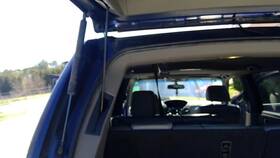
( Part Type: Lid Motor Down ), ( Conditions Options: Power Pull Down Tested ), ( Genuine Oem: Yes ), ( Ipn: 640.ho1814 )
Review HONDA Lid Motor Pull Down fits PILOT 2014
The **Honda 640 HO1814 Pilot 2014 Lid Motor** is a precision-engineered component designed specifically for the 2014 Honda Pilot, serving as the critical actuator responsible for raising and lowering the vehicle s rear cargo lid. Crafted with Honda s signature reliability and durability, this motor operates seamlessly within the vehicle s power liftgate system, ensuring smooth, quiet, and effortless functionality. Built with a robust stainless steel housing and a high-quality brushless DC motor, the HO1814 is engineered to withstand the demands of daily use, delivering consistent performance even in varying environmental conditions. The motor integrates a sophisticated gear reduction system, allowing for precise control and minimal wear over time, while its compact yet sturdy design ensures a perfect fit within the Pilot s liftgate mechanism. Whether navigating tight parking spaces or frequently accessing the cargo area, this motor guarantees smooth operation, reducing strain on the vehicle s electrical system and enhancing overall convenience. With a focus on longevity and efficiency, the Honda 640 HO1814 is an essential replacement part for owners seeking to restore or upgrade their Pilot s liftgate functionality, ensuring a seamless and hassle-free experience with every use.
Buying a used **Honda 640 HO1814 Pilot (2014, lift kit installed)** comes with several considerations. Below is a detailed breakdown of its pros and cons, followed by a conclusion and recommendation.
---
### **Pros of the Honda Pilot 2014 (HO1814, Lift Kit Installed)**
1. **Reliability and Durability**
The Honda Pilot, especially the HO1814 model (based on the 2014-2015 generation), is known for its robust engineering and Honda s reputation for longevity. The 3.5L V6 engine is a proven performer with good fuel efficiency for a midsize SUV, averaging around **18-22 MPG combined**. With proper maintenance, these vehicles often last **200,000 miles**.
2. **Lift Kit Benefits**
The installed lift kit (likely a **2-3 inch lift**) enhances the vehicle s off-road capability, improving ground clearance and approach/departure angles. This is useful for light off-roading, snow driving, or simply improving visibility. However, ensure the lift is properly installed and does not interfere with suspension components or alignment.
3. **Comfort and Practicality**
The Pilot is spacious, with a **third-row seat** that can accommodate up to seven passengers (though comfort diminishes in the third row). The interior is well-built, with durable materials and easy-to-clean surfaces. The **9-inch touchscreen (if equipped)** and available HondaLink connectivity add modern convenience.
4. **Safety Features**
The 2014 model comes standard with **Honda Sensing Suite** (if equipped), which includes **Collision Mitigation Braking System (CMBS), Road Departure Mitigation, and Adaptive Cruise Control**. These features significantly improve safety compared to older models.
5. **Resale Value and Brand Loyalty**
Honda retains strong resale value, and the Pilot is a popular choice among buyers. If maintained well, this vehicle should hold its value better than many competitors.
6. **Fuel Efficiency for an SUV**
At the time of its release, the 3.5L V6 offered **better fuel economy than many larger SUVs**, making it a practical choice for daily driving. Expect **around 18-22 MPG combined**, which is decent for its class.
7. **Low Maintenance Costs**
Honda engines and transmissions are known for being **cheaper to maintain** than many competitors. Common issues (like timing chain stretch) are well-documented, and parts are widely available.
---
### **Cons of the Honda Pilot 2014 (HO1814, Lift Kit Installed)**
1. **Lift Kit Potential Issues**
- **Suspension Wear:** A lift kit can accelerate wear on **shocks, springs, and bushings**, especially if the vehicle is driven aggressively off-road. Ensure the lift was installed by a reputable shop and that suspension components have been inspected.
- **Alignment Problems:** Lifted vehicles often suffer from **poor alignment**, leading to uneven tire wear and handling issues. The seller should provide proof of recent alignment work.
- **Braking Concerns:** Some lifts reduce brake clearance, which can lead to **brake drag or premature wear**. Check if the brakes have been serviced recently.
- **Undercarriage Damage:** A lift increases the risk of **rocking the undercarriage** during off-roading, potentially damaging fuel lines, exhaust, or drivetrain components.
2. **Third-Row Comfort and Practicality**
- The third row is **narrow and cramped**, making it uncomfortable for adults on long trips. If you frequently carry passengers in the back, consider whether this is a dealbreaker.
- Cargo space is **reduced when the third row is in use**, limiting practicality for large items.
3. **Transmission and Drivetrain Concerns**
- The **6-speed automatic transmission** is generally reliable, but some owners report **rough shifting or delayed engagement**, particularly in cold weather. A pre-purchase inspection should check for smooth shifting.
- The **AWD system** (if equipped) can be **noisy** and may require **fluid changes** every **60,000 miles** to prevent premature wear.
4. **Rust and Corrosion Risks**
- The 2014 Pilot is from the **first generation of the HO platform**, which has had some reports of **rust in wheel wells and lower body panels**, especially in snowy or salted regions. A thorough inspection of the undercarriage is essential.
- Check for **excessive rust around the rocker panels, wheel arches, and frame rails**.
5. **Infotainment and Tech Limitations**
- The **9-inch touchscreen (if available)** is functional but **not as advanced as newer models**. Bluetooth connectivity may require an aftermarket upgrade.
- **Apple CarPlay and Android Auto** were not available in 2014, which could be a drawback if you rely on smartphone integration.
6. **Engine and Emissions Concerns**
- The **3.5L V6** is generally reliable, but some owners report **oil consumption issues** (especially in high-mileage examples). Check maintenance records for **oil changes and valve stem seals**.
- **DPF (Diesel Particulate Filter) issues** are not applicable here (this is a gas engine), but **EGR and catalytic converter clogs** can occur with poor maintenance.
7. **Potential Hidden Maintenance Costs**
- **Timing Chain Stretch:** While less common than in older models, some 2014 Pilots may develop **timing chain stretch**, leading to **knocking noises** and potential engine damage if ignored. A **pre-purchase inspection (PPI) with a timing chain inspection** is highly recommended.
- **Transfer Case (AWD Models):** If the vehicle has **AWD**, the transfer case should be checked for **fluid leaks or unusual noises**, as failure can be expensive.
8. **Fuel Economy Drop with Lift**
- While the base fuel economy is decent, a **lift kit can slightly reduce efficiency** due to increased aerodynamic drag and potential drivetrain inefficiencies.
---
### **Conclusion**
The **2014 Honda Pilot HO1814 with a lift kit** is a **solid used SUV purchase** if you prioritize **reliability, space, and off-road capability**. It is well-suited for **daily driving, family use, and light off-roading**, provided the lift kit was installed properly and the vehicle has been well-maintained.
However, **potential downsides** such as **suspension wear from the lift, third-row discomfort, and rust concerns** must be carefully evaluated. The **most critical factors** in your decision should be:
- **Maintenance history** (especially oil changes, transmission fluid, and suspension work).
- **Condition of the lift kit** (alignment, tire wear, and undercarriage protection).
- **Rust inspection** (focus on wheel wells, rocker panels, and frame).
- **Pre-purchase inspection (PPI)** to check for **timing chain, drivetrain, and electrical issues**.
If these concerns are addressed and the vehicle is in good condition, this Pilot can be a **great value** for the price. If not, the risks (especially from an improperly installed lift) may outweigh the benefits.
---
### **Recommendation**
1. **Get a Professional Pre-Purchase Inspection (PPI)**
- A **mechanic or Honda specialist** should check:- **Suspension and lift kit integrity** (no bent components, proper alignment).
- **Timing chain condition** (listen for knocking, check for stretch).
- **Transmission and drivetrain** (smooth shifting, no leaks).
- **Underbody for rust** (especially in snowy/salty regions).
- **Brakes and tires** (uneven wear from lift, brake pad thickness).
2. **Verify Maintenance Records**
- Ensure **oil changes every 5,000-7,500 miles**, **transmission fluid changes every 60,000 miles**, and **timing belt/chain service** (if applicable).
- Check for **recent suspension work** (shocks, bushings, control arms).
3. **Test Drive for Comfort and Handling**
- Pay attention to **suspension noise, alignment issues, and AWD engagement**.
- Test the **third-row seating** if you frequently use it, ensure it s comfortable.
4. **Negotiate Based on Findings**
- If the PPI reveals **major issues (rust, lift problems, engine concerns)**, use them to **negotiate a lower price or walk away**.
- If the vehicle is **well-maintained and the lift is properly installed**, it can be a **great long-term SUV**.
5. **Consider Alternatives if Needed**
- If the lift concerns are too significant, look for a **non-lifted 2014-2015 Pilot** for better long-term reliability.
- If you need **more off-road capability**, consider a **Toyota 4Runner or Jeep Wrangler**, but be aware of their higher maintenance costs.
---
### **Final Verdict**
**Buy if:**The vehicle has **complete maintenance records**.
The **lift kit is professionally installed and well-maintained
Details:
part #: 640.ho1814 prices
- $29.25-$101.02
specifications trunklipa:
- for models: Pilot
- for makes: Honda
- for years: 2014
- part type: Lid Motor Down
- conditions options: Power Pull Down Tested
- genuine oem: Yes
- ipn: 640.ho1814
general trunklipa:
- Exterior Parts Accessories > doors, Trunk Lids Hatches > Hatches Trunk Lids
- condition: Used
offer trunklipa:
- sold: 0
- availability: In Stock
- options: Ship-to-home
- quantity: 1
- started: April 18, 2026
seller trunklipa:
- # reviews: 594
- city: Patchogue, New York
- rating: 98.0%
returns trunklipa:
- policy: Returns Accepted
- time: 60 Days
- paid by: Buyer
shipping trunklipa:
- type: Fixed
- cost: $0.00
- class: Standard
- service: Standard
- transit: 4-9 Days
payments trunklipa:
- wallet: Google-pay
- credit card: Mastercard
- other
Honda 462680 Is Similar To:
- 12269847 Aftermarket Products New Trunk Lid Sedan For Honda Civic (13.4% similar) The items are brand new parts that look and fit same as original, except at a much better price...(May 20th, 2018)
- 12696532 Aftermarket Products New Trunk Lid Sedan For Honda Civic (13.4% similar) The items are brand new parts that look and fit same as original, except at a much better price...(October 22nd, 2018)
- 12742614 Aftermarket Products New Trunk Lid Sedan Honda Civic (13.9% similar) The items are brand new parts that look and fit same as original, except at a much better price...(March 2nd, 2018)
- 230943 Odyssey Trunk Lid Deck Hatch Tailgate Maroon R529p 11 12 13 Honda 170-50506b (13.1% similar) It is best to by phone buy used or through messaging. To apply the discount, please add both items to your cart. This part is covered by our 6 month warranty. There is no limit to the discount. The items must be added to your cart in order to apply the discount. Please see tutorial below for help ...(August 2nd, 2016)
- 19730050573 Honda Accord Coupe Rear Trunk Lid Shell (32.4% similar) Please inquire when providing commercial address. If item is shipped through greyhound, once shipped, it cannot be rerouted commercial address considered as restricted access, theres an extra charge around 80 varies by carrier. No exception. Kindly ask questions before offer ends. For items with ...(August 26th, 2018)
- 1hgcv2f93ja009272 Honda Accord Trunk Lid Oem (26.5% similar) If the item ships FedEx, they will deliver and require signature. Shipping instructions: to us. Items are sold as is, what you see, is get all need repair and complete paint process if involved. If you are not sure. Hesitate to ask. Please examine all pictures and the carefully before purchasing...(July 11th, 2018)
- 2101029400 Oem Honda Odyssey Trunk Lid Tail Lift Gate Hinge Hinges (25% similar) In great condition, comes with mounting bolts...(April 17th, 2018)
- 210157017 Honda Odyssey Trunk Lid Tail Lift Gate Hinge Hinges Oem (25.2% similar) Please for more details before purchasing. Lift gate service is also extra. Please for a shipping quote...(April 15th, 2018)
- 210157044 Honda Odyssey Trunk Lid Tail Lift Gate License Plate Trim (24.8% similar) Please for more details before purchasing. Please for a shipping quote. Lift gate service is also extra...(April 15th, 2018)
- 34151-s82-a02 Honda Accord Trunk Lid Rear Tailight (30.8% similar) 98-02 accord trunk taillight 2DR used in OK condition no cracks...(March 31st, 2018)
- 39530-t2 Honda Accord Sedan Camera Lid Trunk New (35.3% similar) Shipping only for USA. May fits and others model's are oem original as you see in the pictures. Only for USA...(June 11th, 2018)
