GM 3757631 Rear Lid Trunk Emblem Hole Iron General
fits model: Corvette. year: 1958.
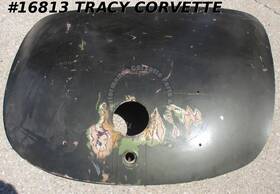
( Brand: Gm ), ( Manufacturer Part Number: 3757631 ), ( Part Type: Lid Trunk Emblem Motor ), ( Material: Matched Die Molded Fiberglass ), ( California Prop 65 Warning: Warning, Nickel And Chromium Which Are Known To The State Of California To Cause Cancer And Birth Defects Or Other Reproductive Harm. For More Information Go To Www.p65warnings.ca.gov ), ( Color: Gray N Blue ), ( Placement On Vehicle: Rear ), ( Country Of Origin: United States ), ( Item: Tracy Corvette 16813 )
Review GM General Motors Rear Compartment Lid Gm# Trunk Emblem Hole Iron Holes fits CORVETTE 1958
The **1958 Chevrolet Corvette rear lid trunk emblem hole iron** (part number 3757631) is a meticulously crafted, period-correct replacement component designed to restore authenticity to the iconic 1958 Corvette s rear trunk lid assembly. This high-quality, die-stamped steel piece is engineered to fit seamlessly into the original hole in the trunk lid, where the classic Chevrolet emblem featuring the iconic script "Corvette" and the bowtie logo was once affixed. Crafted from durable, rust-resistant steel, this part ensures longevity and structural integrity, maintaining the integrity of the trunk lid s original design while withstanding the test of time. The precise dimensions and alignment of the hole are meticulously matched to the factory specifications, allowing for a snug, interference-fit installation that prevents rattles and ensures a clean, factory-like appearance. Whether restoring a vintage Corvette to showroom condition or maintaining a collector s vehicle, this emblem hole iron is an essential component for preserving the authenticity and mechanical soundness of the iconic American sports car s rear trunk assembly. Its inclusion in a restoration project not only enhances the vehicle s aesthetic appeal but also reinforces the structural integrity of the trunk lid, ensuring it functions as reliably as it did in its original 1958 configuration.
### **Pros and Cons of Buying a 1958 Chevrolet Corvette (General 3757631 Rear Lid Trunk Emblem Hole Iron)**
#### **Pros**
1. **Classic American Muscle Car Heritage** The 1958 Corvette is one of the most iconic early Corvettes, representing the transition from a lightweight sports car to a more refined muscle machine. Its design, with the distinctive "tail fin" and "batwing" doors, makes it a standout piece of automotive history.
2. **Strong Engine Options** The 1958 Corvette came with either a **283 cubic inch V8** (producing around 225 255 hp, depending on carburation) or, in later models, a **283 HP fuel-injected engine** (introduced in 1957 but carried over into early 1958). These engines, while not as powerful by modern standards, are reliable and fun to drive, especially when restored or modified.
3. **Timeless Design** The 1958 Corvette s styling is instantly recognizable, with its sleek, aerodynamic lines and bold character. This makes it a desirable collector s item, especially for enthusiasts who appreciate mid-century automotive design.
4. **Potential for Restoration or Modification** Many 1958 Corvettes are in need of restoration, offering an opportunity for hands-on work. With proper care, these cars can be brought back to showroom condition or even modified for modern performance.
5. **Strong Community & Support** The Corvette community is one of the most passionate in the automotive world. Parts, restoration guides, and enthusiast groups are widely available, making ownership more accessible than for rarer models.
6. **Potential for Appreciation** While not as valuable as later Corvettes (like the 1955 1957 "Nomad" or 1963 Sting Ray), a well-preserved 1958 can appreciate in value over time, especially if it remains in good condition.
7. **Driving Experience** For its time, the 1958 Corvette offered a smooth, comfortable ride with good handling. Modern modifications (like suspension upgrades or engine swaps) can enhance its performance without losing its vintage charm.
---
#### **Cons**
1. **High Maintenance & Restoration Costs** Many 1958 Corvettes are in poor condition, requiring extensive work on the body, chassis, engine, and electrical systems. Rust, worn-out suspension, and outdated wiring can be costly to repair.
2. **Rarity & Availability of Parts** While not as rare as the first-generation Corvettes (1953 1954), finding original parts for a 1958 can be difficult. Replacement body panels, interior components, and even basic hardware may require sourcing from specialty suppliers or aftermarket manufacturers.
3. **Engine & Drivetrain Reliability Issues** The 283 V8, while robust, can develop problems over time, such as worn valve seats, leaking head gaskets, or rod bearing wear. The automatic transmission (Powerglide) is also known for being less durable than later Corvette transmissions.
4. **Depreciation Risk** Unlike later Corvettes (such as the 1963 1967 models), the 1958 is not as highly sought after by collectors. While it has its place in automotive history, its value may not appreciate as quickly as more desirable models.
5. **Driving Limitations** Modern safety and emissions standards mean that driving a 1958 Corvette on public roads can be challenging. Many states have strict emissions requirements, and some owners opt for "street-legal" modifications (like catalytic converters or modern fuel systems) to comply with regulations.
6. **Insurance Costs** Classic cars can be expensive to insure, especially if they are not fully restored or lack proper documentation. Some insurers may charge high premiums due to the car s age and potential repair risks.
7. **Time-Consuming Ownership** Restoring or maintaining a 1958 Corvette is a labor of love. It requires patience, mechanical skill, and a willingness to invest significant time and money into keeping it running.
---
### **Conclusion**
The **1958 Chevrolet Corvette** is a fascinating piece of automotive history with strong appeal for enthusiasts who appreciate its design, engineering, and cultural significance. It offers a unique blend of classic charm and driving excitement, making it a rewarding project for those willing to invest time and effort into its care.
However, potential buyers should be prepared for the challenges of ownership high maintenance costs, part scarcity, and the need for restoration work. If you are looking for a **drivable, show-quality classic** that you can enjoy for years to come, a well-documented and partially restored 1958 Corvette can be an excellent choice. On the other hand, if you are seeking a **high-value investment or a fully restored daily driver**, later models (such as the 1963 Sting Ray or 1965 1967 Corvettes) may be more practical.
### **Recommendation**
- **Buy if:** You are an enthusiast who enjoys restoration projects, appreciate mid-century automotive design, and are willing to invest time and money into bringing the car back to its best condition. A 1958 Corvette is ideal for those who want a **unique, conversation-starting classic** rather than a high-performance or high-value investment.
- **Avoid if:** You are looking for a **low-maintenance, modern classic** or a car that will appreciate significantly in value. The 1958 Corvette requires more effort than later models and may not be the best choice for casual collectors or those without mechanical experience.
For the best experience, consider purchasing a **partially restored or "project car"** with a clear restoration plan. If possible, inspect the car thoroughly (or have a trusted mechanic do so) to assess its condition before committing to a purchase. Additionally, joining Corvette restoration forums or clubs can provide valuable advice and support.
Details:
1958 Corvette Rear Compartment Lid 3757631 trunk Emblem Hole Trunk Iron Holes. Corvette Series Rear Trunk Lid. Next, select a topic, or choose Other. Smaller items are shipped Standard USA Postal Service or USPS Priority Mail.
Very clean survivor condition hinge pads half the original screws are included latch area pieces intact no damage noted 1958 Corvette Trunk Lid with Emblem Hole and Iron Holes, rare, one year only trunk lid Original weatherstrip while it would require changing for proper fitment sealing, this demonstrates a very. This has the emblem hole and trunk iron mounting holes.
part #: 3757631 prices
- $1600.00-$1699.00
specifications trunklipa:
- for models: Corvette
- for years: 1958
- brand: Gm
- mpn: 3757631
- part type: Lid Trunk Emblem Motor
- material: Matched Die Molded Fiberglass
- california prop 65 warning: Warning, Nickel And Chromium Which Are Known To The State Of California To Cause Cancer And Birth Defects Or Other Reproductive Harm. For More Information Go To Www.p65warnings.ca.gov
- color: Gray N Blue
- placement on vehicle: Rear
- country of origin: United States
- item: Tracy Corvette 16813
returns trunklipa:
- paid by: Buyer
- time: 30 Days
- policy: Returns Accepted
general trunklipa:
- Exterior Parts Accessories > doors, Trunk Lids Hatches > Hatches Trunk Lids
- condition: Used
shipping trunklipa:
- service: Flat Rate Freight
- type: Fixed
- class: Freight
- cost: $268.00
payments trunklipa:
- credit card: Mastercard
- other
- wallet: Paypal
offer trunklipa:
- quantity: 1
- options: Ship-to-home
- best offers: True
- started: March 15, 2026
- sold: 0
- availability: In Stock
seller trunklipa:
- city: Roseville, Michigan
- rating: 99.4%
- # reviews: 21905
Gm 3757631 Is Similar To:
- 994263 Gm Nos Nova Chevelle Electric Trunk Release Kit Camaro Impala (26.4% similar) New old stock in original box complete kit...(June 11th, 2018)
- 10051090 Gm Rear Compartment Lower (40.3% similar) Many different variables go into vehicle applications engine size, transmission, model, brake system, wheel drive, etc. Part has many paint scratches on top side and edge. It may have factory or storage imperfections, blemishes, dings, dimples, etc. The shipping calculator is not always accurate and...(August 28th, 2017)
- 10137198 Buick Rare Gm Trunk Lock Cover Oem (34.6% similar) Rare windbag trunk lock cover 1 piece total good pre-owned condition genuine factory stock find...(May 25th, 2018)
- 10333093 Gm Cadillac Xlr Trunk Unlock Open Release Power Button Switch (25% similar) All pictures are of the actual part. If an says the is being sold. Please refer to the pictures provided for item details images. What you see in the pictures is will receive. If you are not completely satisfied please to give the opportunity improve your experience. Items include bumpers, fenders, ...(September 19th, 2018)
- 10340311 Gm Cadillac Xlr Trunk Lid Rear Release Switch Opener (26.5% similar) All pictures are of the actual part. If you are not completely satisfied please to give the opportunity improve your experience. If an says the is being sold. What you see in the pictures is will receive. Items include bumpers, fenders, doors, trunk lids, seats, and other similar. Please refer to ...(September 19th, 2018)
- 10345151 Gm Pontiac Oem Grand Prix Trunk Left (19.3% similar) Superseded part numbers this item may have been from a different number manufacture. You can be sure they will get the genuine Gm parts for your vehicle. Our Gm parts consultants have many years of experience in. This part fits vehicles made in the following years 2004 , 2005 , 2006 , 2007 , ...(July 20th, 2018)
- 10345151lh Gm Grand Prix Lift Support And Shock Trunk (15.4% similar) May fit other model years. Trunk support with shock out of 2008 Pontiac grand pix...(February 18th, 2019)
- 10382590 Gm New Chevrolet Malibu Trunk Lid Emblem (25.9% similar) You are buying new Gm Chevrolet Malibu trunk lid emblem...(October 23rd, 2018)
- 10388775 Oem Gm New Saturn Ion Trunk Left (26% similar) Saturn Gm oem ion trunk lid-hinge left, please google part number for compatibility...(July 5th, 2018)
- 10419271 Gm New Rear Deck (22.6% similar) Buyer pays shipping...(October 1st, 2017)
- 10419581 Gm New Rear Trunk (31% similar) Many different variables go into vehicle applications engine size, transmission, model, brake system, wheel drive, etc. Here is a list for possible FITMENT:BUICK1999 century custom 4 door limited DOOR1999 regal gs, ls may fit other vehicles. 187HG13ZBMLR6A1. Inc 10419581G12. Offering a new Gm trunk ...(February 20th, 2018)
